Connect your parking data to the systems your operation already runs.
PGS APIs and integrations move real-time occupancy and vehicle data out of the parking layer and into the payment, signage, enforcement, and business tools your team depends on every day.
PGS captures precise occupancy and license plate data through sensors and LPR cameras, then delivers it through IVIS. Our API suite lets you push occupancy and license plate data exactly where it matters the most. These API and integration options support dynamic pricing, automated enforcement, remote signage control, and customer-facing availability and more.
Each API solves a specific operational challenge. Use one, or combine several, to build a connected parking environment that fits your facility.
Apply dynamic, location-based pricing tied to real demand. The Revenue API sends precise vehicle location data to third-party payment and revenue platforms so premium rates apply automatically based on where a vehicle parks.
Charge premium rates for spaces near terminals, elevators, and stairwells.
Push exact location data to payment apps for automatic rate application.
Use occupancy and utilization insights to identify premium zones over time.

Help customers locate vehicles fast through a license plate search in a mobile app. Built for large garages and complex facilities, Find Your Car pairs camera-based LPR with facility-specific schematics to guide visitors back to their vehicles. It can operate within the PGS platform without an API, however third-party app integrations require one.
Search by plate and return coordinates plus row or space number.
Confirm vehicles with thumbnail images and blurred plates.
Give teams another tool to locate vehicles during service interactions.

Manage matrix parking signs from a cloud-based environment using live occupancy data from IVIS. The Digital Signage API connects PGS data to a third-party cloud signage platform, so your team designs and updates sign content from virtually any device. The API is required for cloud-based deployments and not needed for on-premises setups.
Control matrix sign content without an on-premises server.
Show current availability so drivers decide faster.
Adjust content in a cloud interface as conditions change.
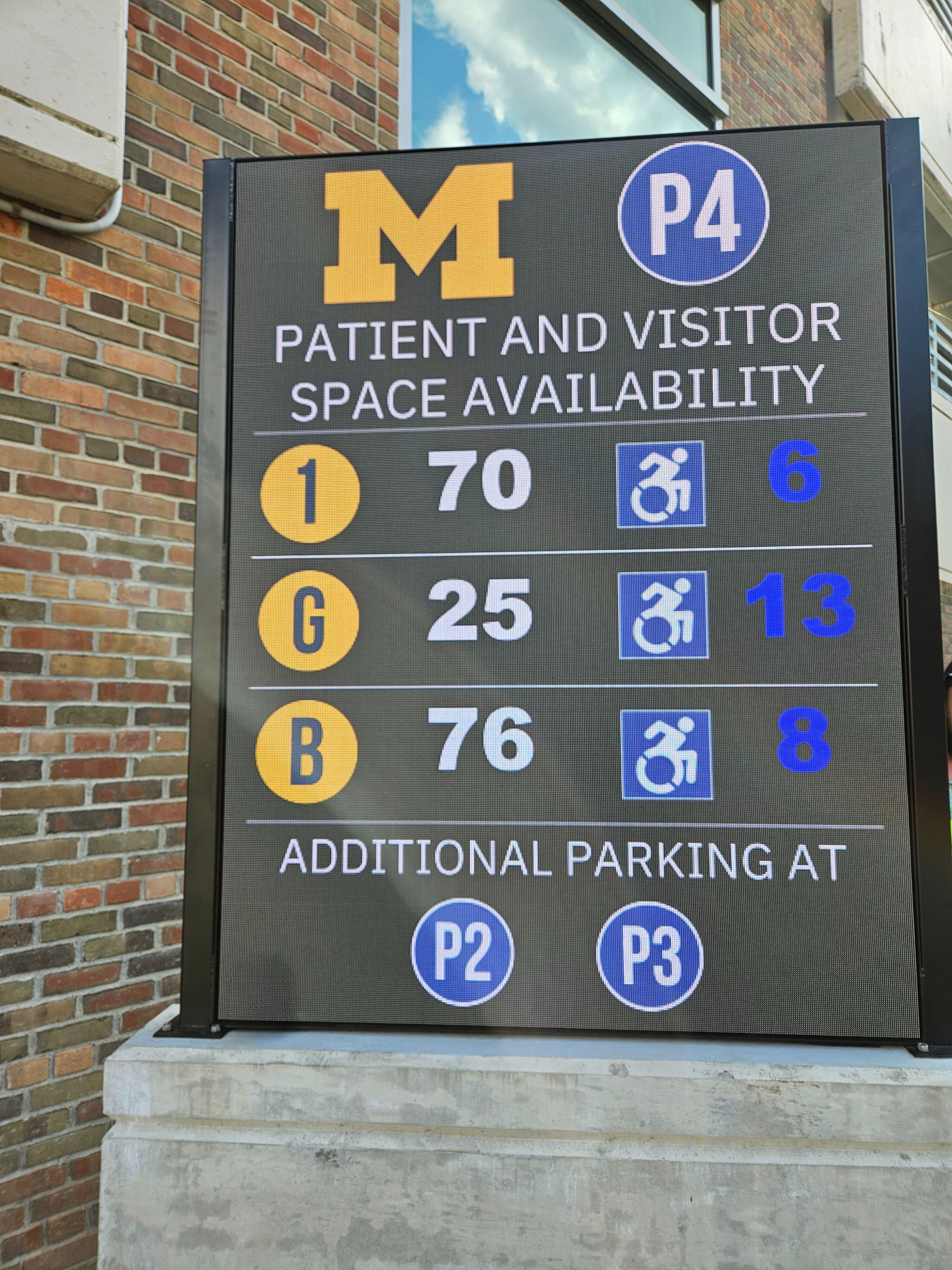
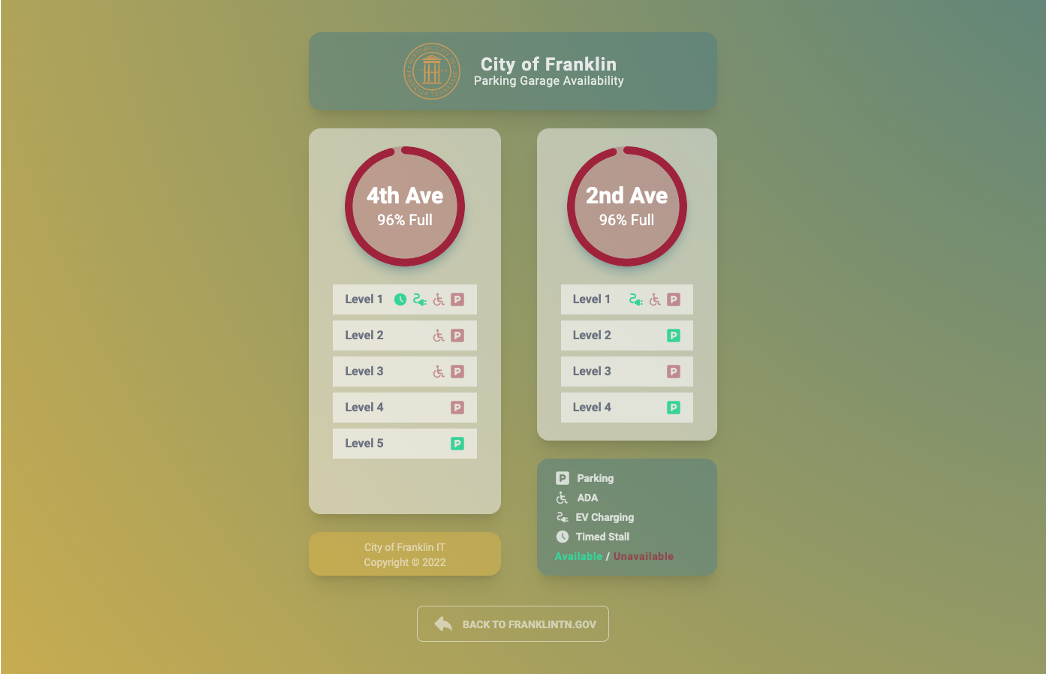
Share real-time occupancy and availability data with the platforms drivers and operators rely on. The Availability API supports both push and pull delivery, feeding websites, mobile apps, maps, partner platforms, and internal business intelligence tools.
Deliver live availability to customer-facing channels.
Connect occupancy counts to maps, partner systems, and apps.
Combine live parking data with internal metrics and dashboards.
Automate enforcement workflows in gateless and high-turnover environments. The Enforcement API sends real-time vehicle data to a third-party compliance platform, including license plate, make, model, color, vehicle image, and exact parking location.
Deliver vehicle data directly to your compliance tools.
See which vehicles are parked on-site and where.
Provide the details and location needed to issue citations accurately.

Occupancy guidance shows drivers where to park. APIs and integrations turn that same data into revenue strategy, enforcement action, and operational intelligence across your entire facility.
Align pricing with real parking behavior by pushing precise location data to payment systems, capturing value from the spaces drivers want most.
Send live vehicle details to enforcement platforms so teams monitor compliance in real time and respond without manual patrols.
Return vehicles to drivers faster and surface live availability across the digital channels they already use.
Combine the Revenue and Enforcement APIs to support premium, ticketless, gateless operations, often with discounted packaging.
Feed live occupancy into dashboards and business tools to inform staffing, pricing, and capacity decisions with accurate data.
Partner Ecosystem
Every CPMS, sensor, sign, enforcement, and mobility platform PGS connects to.
The PGS Advantage
22 integrations across 6 categories, and each one exists to make Parking Guidance Systems more open, more accurate, and easier to deploy. Here is the value each category delivers.
One connected platform. Filter the directory by category to see how data moves between PGS and each partner.
APIs and integrations are one layer of a complete parking solution. Each connects the same trusted occupancy and vehicle data to the broader PGS ecosystem.
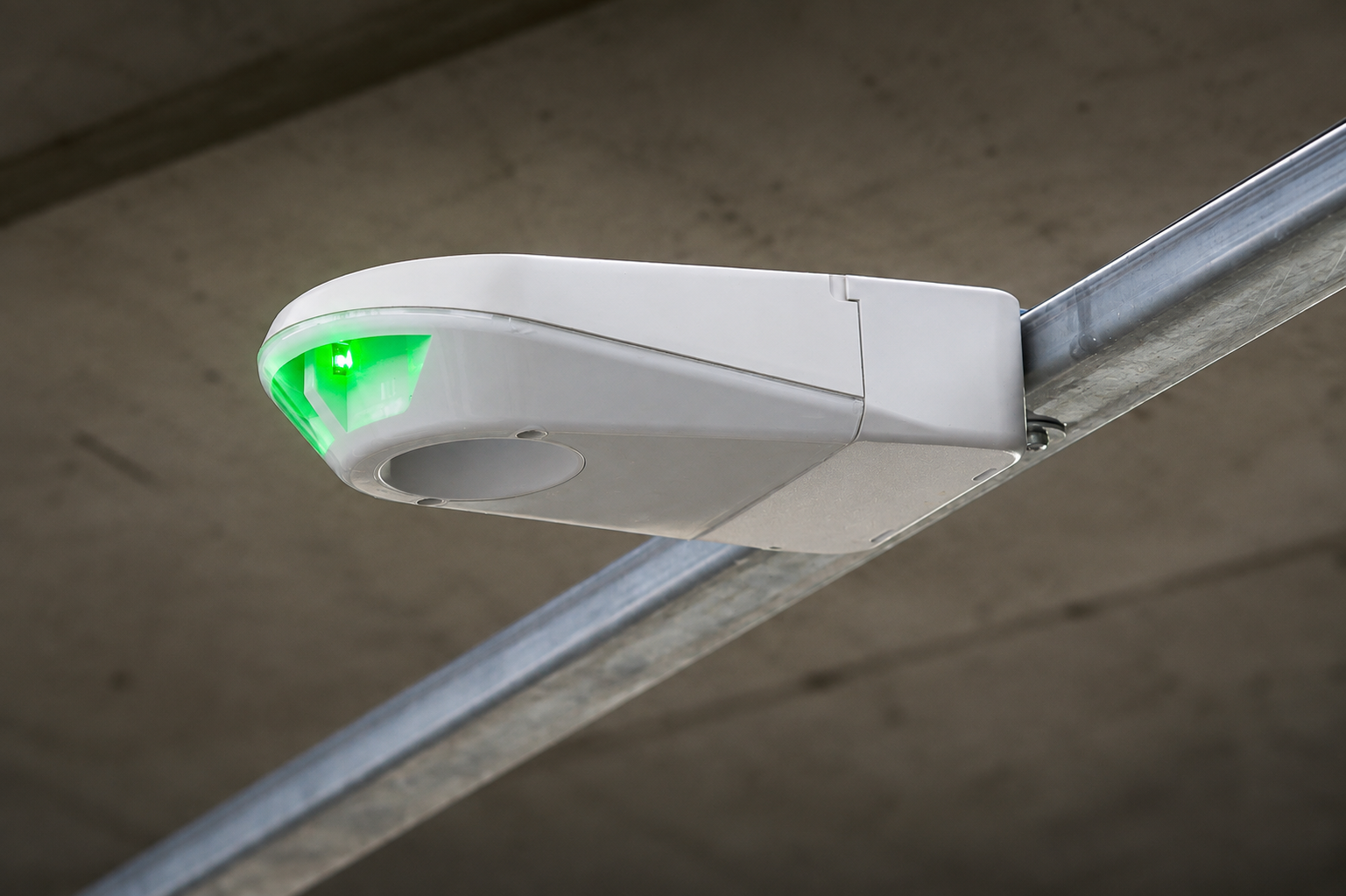
Space-level detection feeding real-time occupancy into the guidance platform.
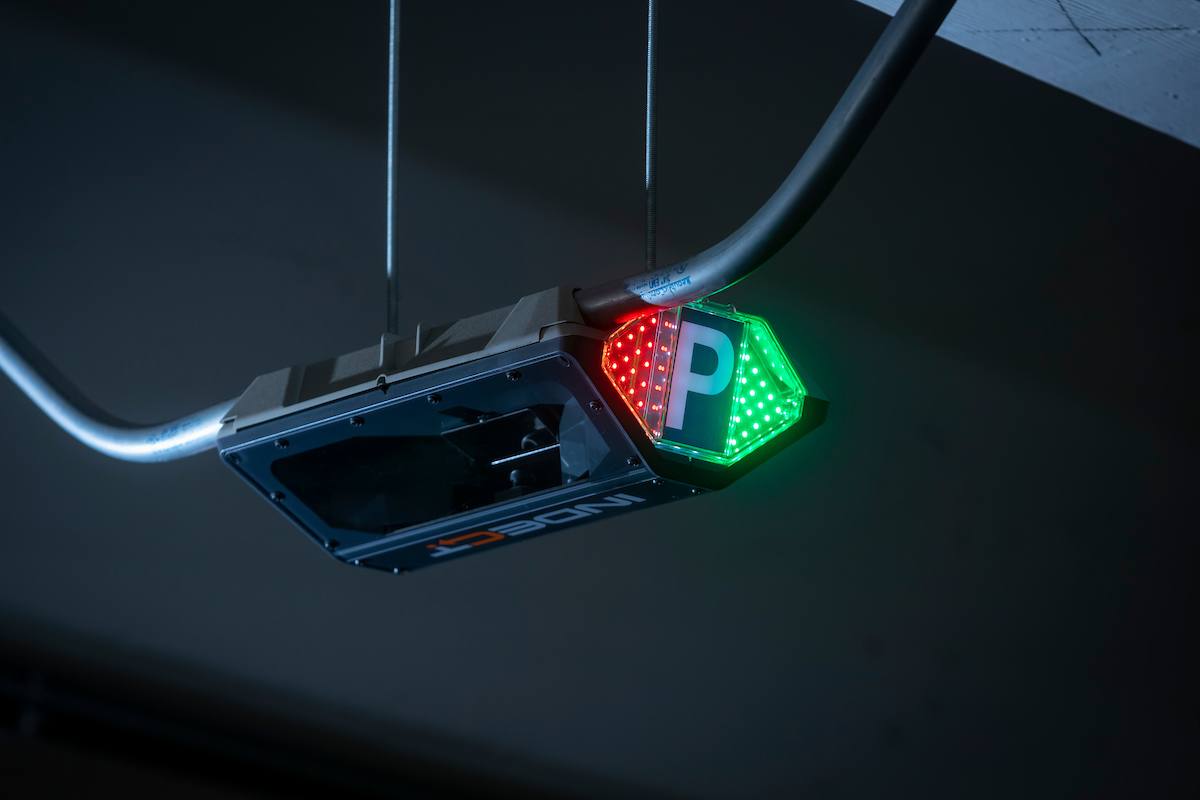
Camera-based LPR captures plates and vehicle detail across lanes and levels.
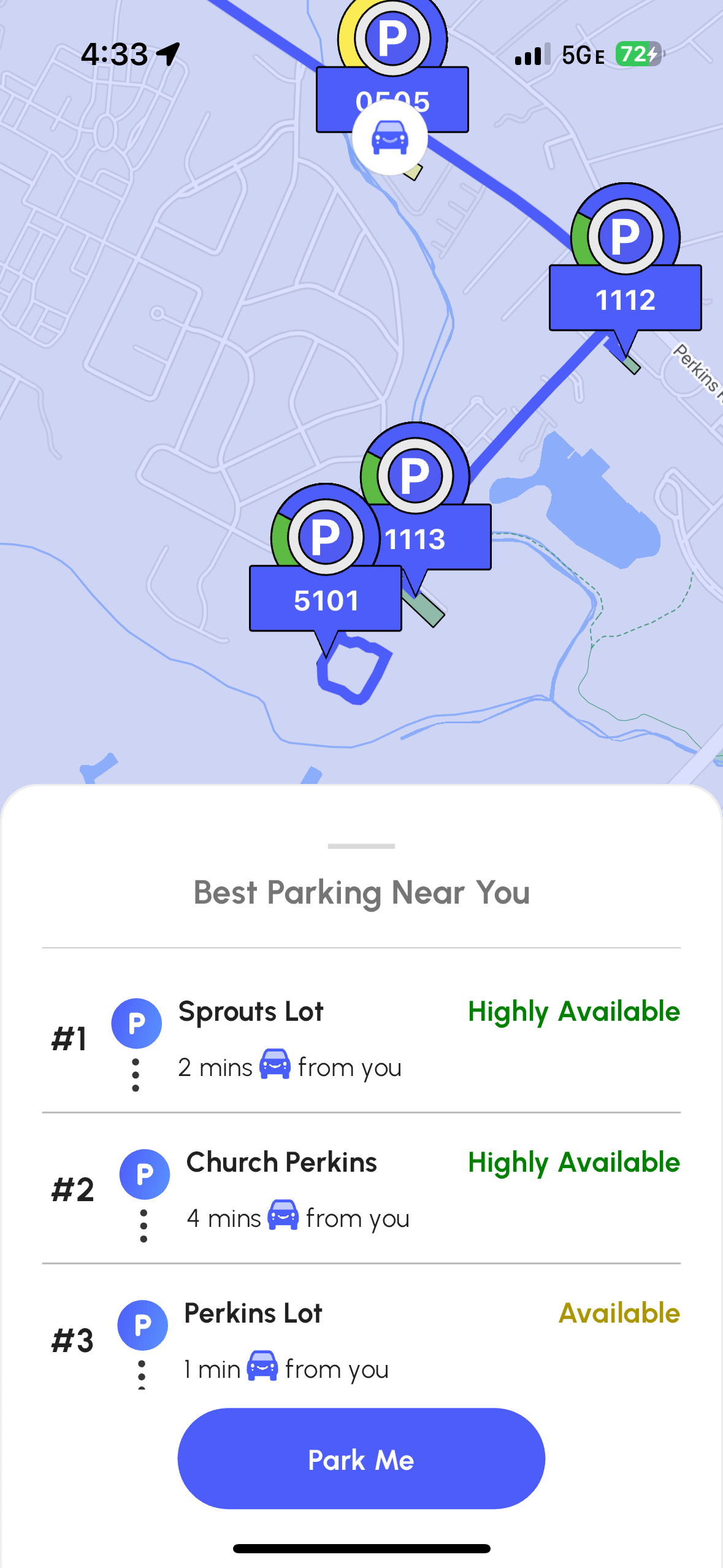
City- and campus-wide parking visibility, bringing live data from every site into one view.
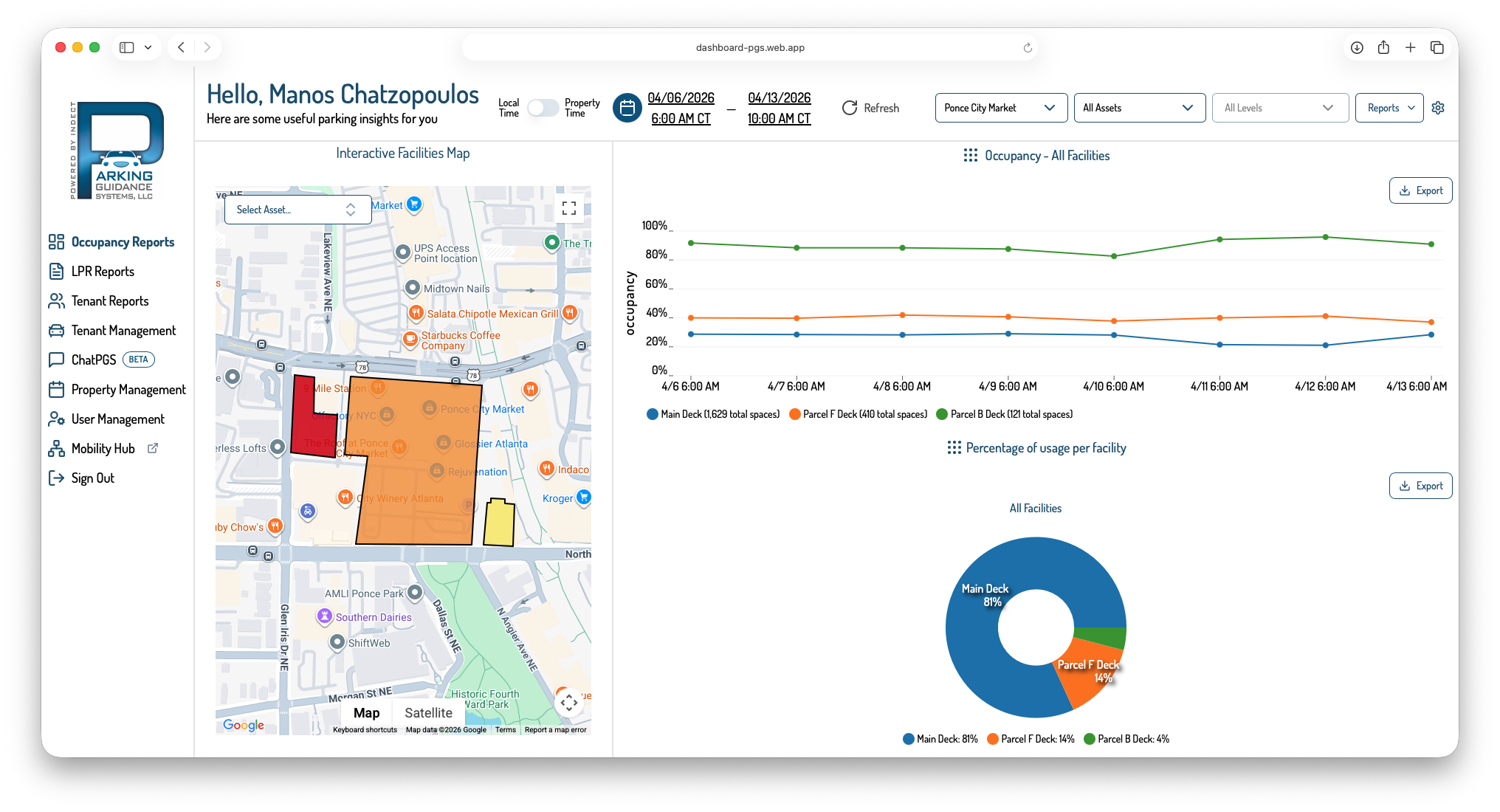
Live occupancy, utilization, and reporting for operations teams.
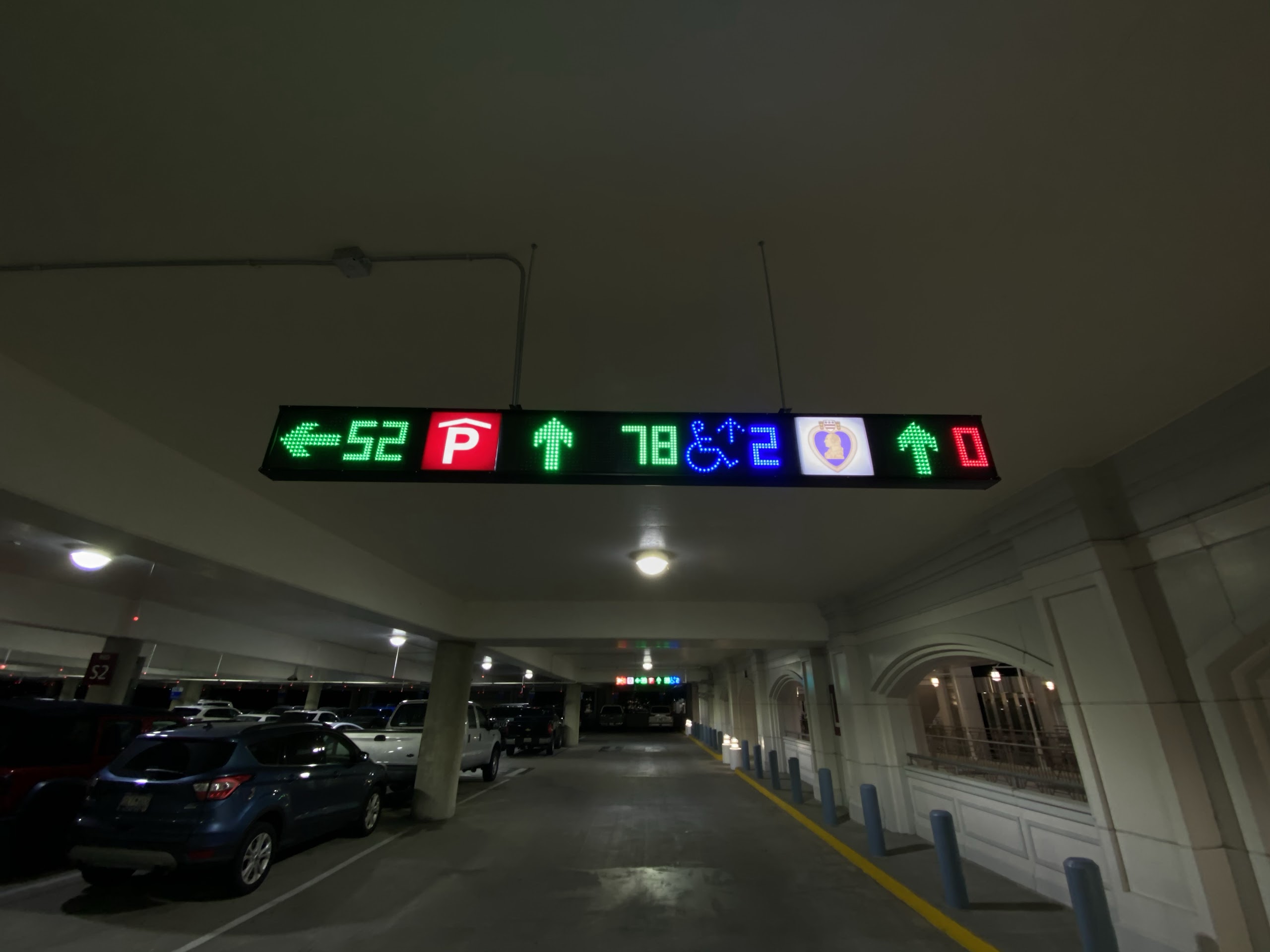
Matrix and directional signs that guide drivers from entry to space.
Use one API, or combine several.
Talk with the PGS team about which APIs and integrations fit your operation, and we will map the connections to the systems you already run.
We use cookies to improve your experience on our site. By using our site, you consent to cookies.
Manage your cookie preferences below:
Essential cookies enable basic functions and are necessary for the proper function of the website.
These cookies are needed for adding comments on this website.
Google Tag Manager simplifies the management of marketing tags on your website without code changes.
HubSpot uses browser cookies like hubspotutk and __hstc to anonymously track visitor page views, sessions, and returning users before they convert into known contacts.
Service URL: legal.hubspot.com (opens in a new window)
These cookies are used for managing login functionality on this website.
Statistics cookies collect information anonymously. This information helps us understand how visitors use our website.
Google Analytics 4 collects information about how visitors use this website, such as pages visited, time on site, and how visitors arrived, so we can understand and improve site performance. Data is aggregated and not used to identify individual visitors.
Service URL: policies.google.com (opens in a new window)
Jetpack's built-in visitor analytics. It records page views, referring sites, search terms, and outbound link clicks, and also carries the shared visitor-tracking library used by Jetpack Instant Search and WooCommerce Analytics.
Service URL: automattic.com (opens in a new window)
Marketing cookies are used to follow visitors to websites. The intention is to show ads that are relevant and engaging to the individual user.
CallRail shows visitors a tracking phone number so we can connect calls to the marketing source that brought them to the site.
Service URL: www.callrail.com (opens in a new window)
Google Ads conversion tracking and the Conversion Linker measure whether visitors who clicked our ads went on to take actions on the site, such as submitting a form. This helps us measure and improve our advertising.
Service URL: policies.google.com (opens in a new window)
ZoomInfo identifies the companies visiting our website so we can understand business interest and support sales outreach.
Service URL: www.zoominfo.com (opens in a new window)
You can find more information in our Privacy Policy.