The experience of parking a car used to be an exercise in patience. Drivers would circle concrete levels endlessly, hoping for a spot to open up, or waste fuel driving up and down aisles only to discover the “open” spot was actually occupied by a compact car. For operators, it was a constant challenge to manage limited capacity and respond to customer complaints about fees and availability.
For decades, parking garages were defined by concrete, painted lines, and perhaps a booth attendant. They were static structures serving a single function: storage. As urban populations grew and technology advanced, the friction of parking became a major pain point for cities, businesses, and drivers alike.
Today, we are witnessing a significant transformation of the industry. The parking garage is no longer just a building; it is a data-rich environment driven by technology. Here is how the industry moved from static structures to the era of smart parking solutions.
The Era of Static Parking
In the past, parking management was almost entirely reactive. Operators had very little insight into what was happening inside their facilities in realtime.
Manual Management and Inefficiency
Historically, “occupancy tracking” meant a sign at the entrance that read “FULL” often based on an attendant’s best guess or a simple ticket count. Drivers had no way of knowing whether a spot was available until they entered the facility. This led to congestion at entry points, increased emissions from idling cars, and a generally poor user experience.
Security was also largely analog. Grainy CCTV cameras (if any) and periodic foot patrols were the standard. If an incident occurred, it was often reviewed after the fact, rather than prevented or addressed in the moment.
The Shift Toward Connectivity
The first major shift occurred with the introduction of automated access control. Ticket dispensers and barrier gates streamlined entry and exit, reducing the need for constant staffing at enty and exit booths.
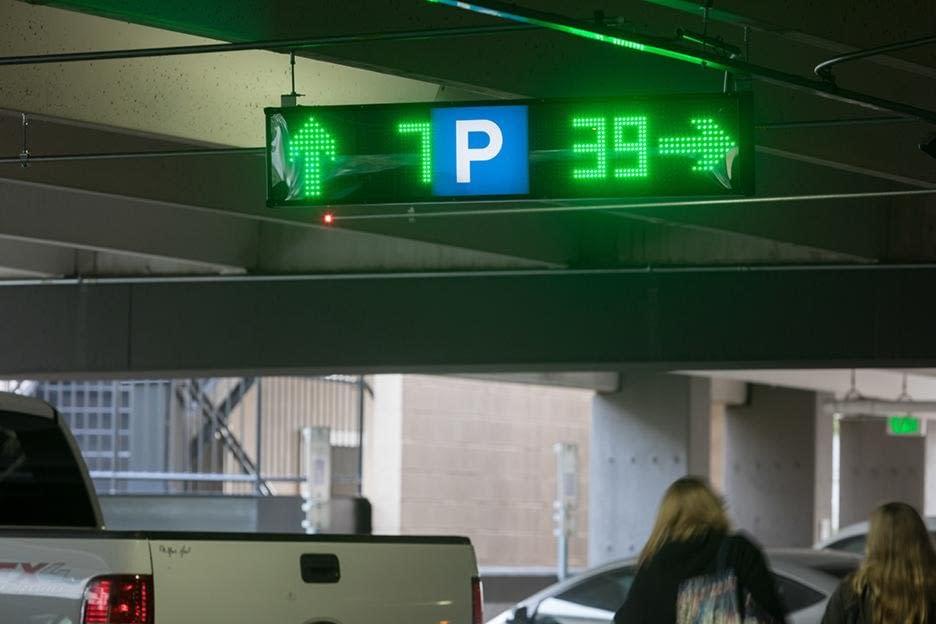
However, while payment became easier, the core problem remained: finding a space. Internal garage navigation was still a mystery. This gap in the user journey set the stage for the next leap forward. The integration of sensors and guidance systems.
What are smart parking solutions?
Smart parking solutions refer to the ecosystem of technologies—sensors, cameras, software, and digital signage—that help drivers find parking faster while enabling operators to manage facilities more efficiently.
This technology represents a bridge between the physical infrastructure of the garage and the digital expectations of modern drivers. By using Internet of Things (IoT) devices, garages can now communicate availability, pricing, and security information in real-time.
The Modern “Smart” Garage
The modern parking facility is proactive, predictive, and user-centric. Here are the key technologies driving this evolution.
1. Camera-Based Parking Guidance Systems (PGS)
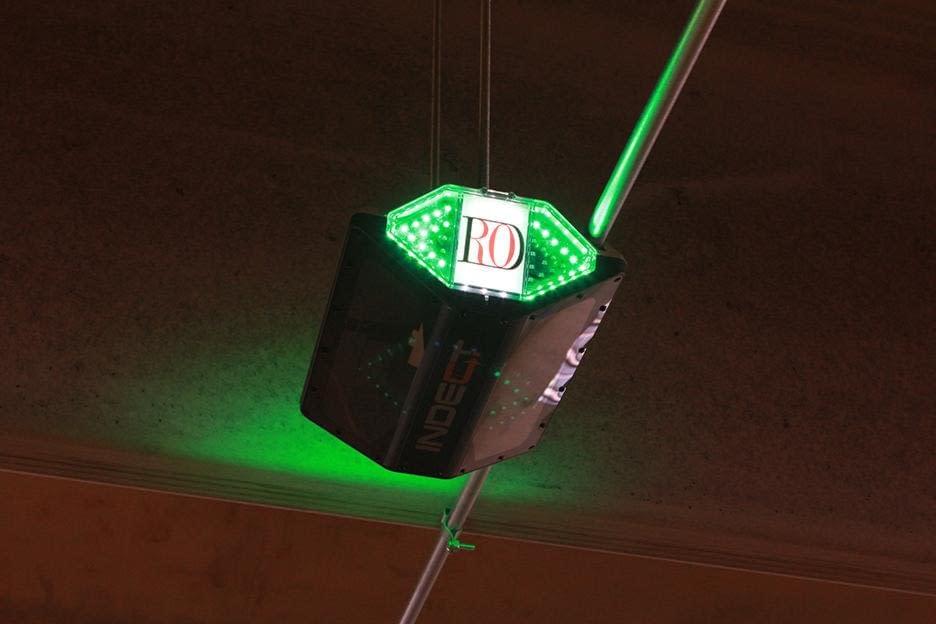
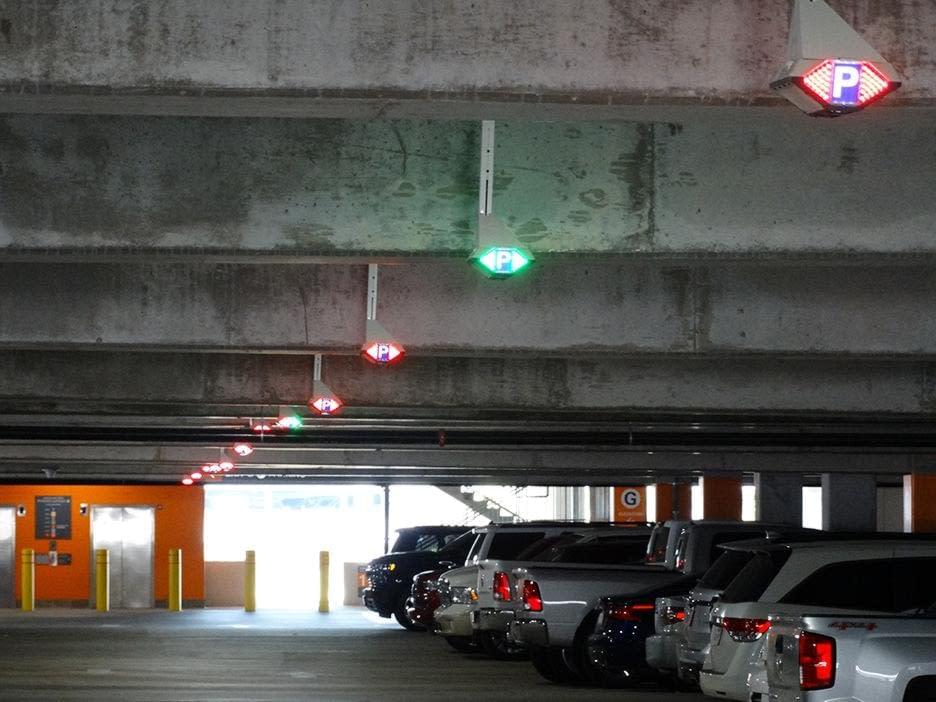
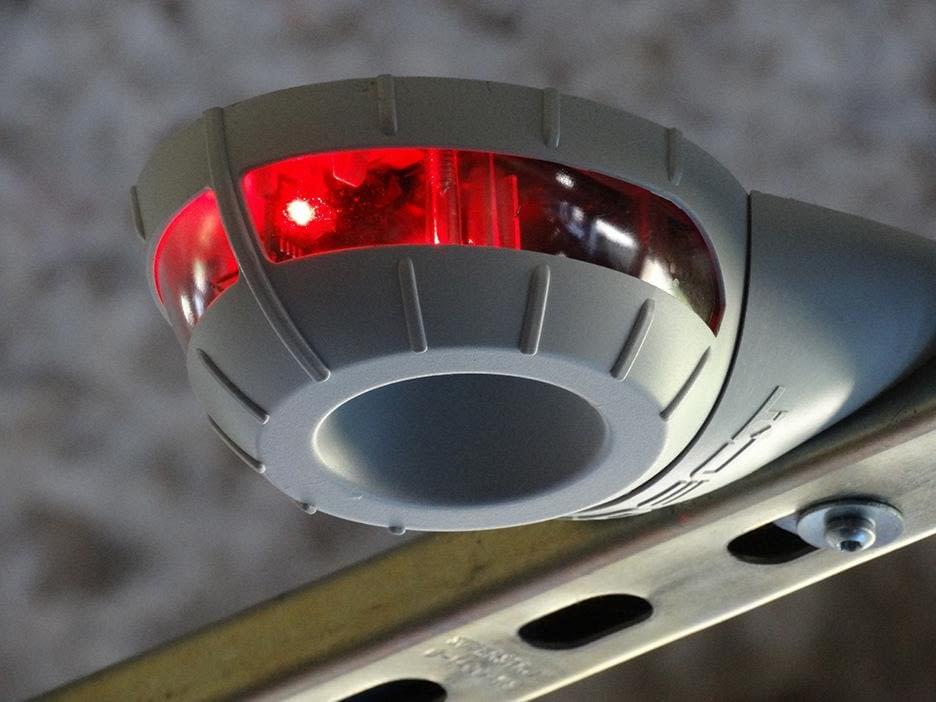
The days of guessing where to park are fading. Camera-based sensor systems, like those offered by Parking Guidance Systems (PGS), monitor individual parking spaces.
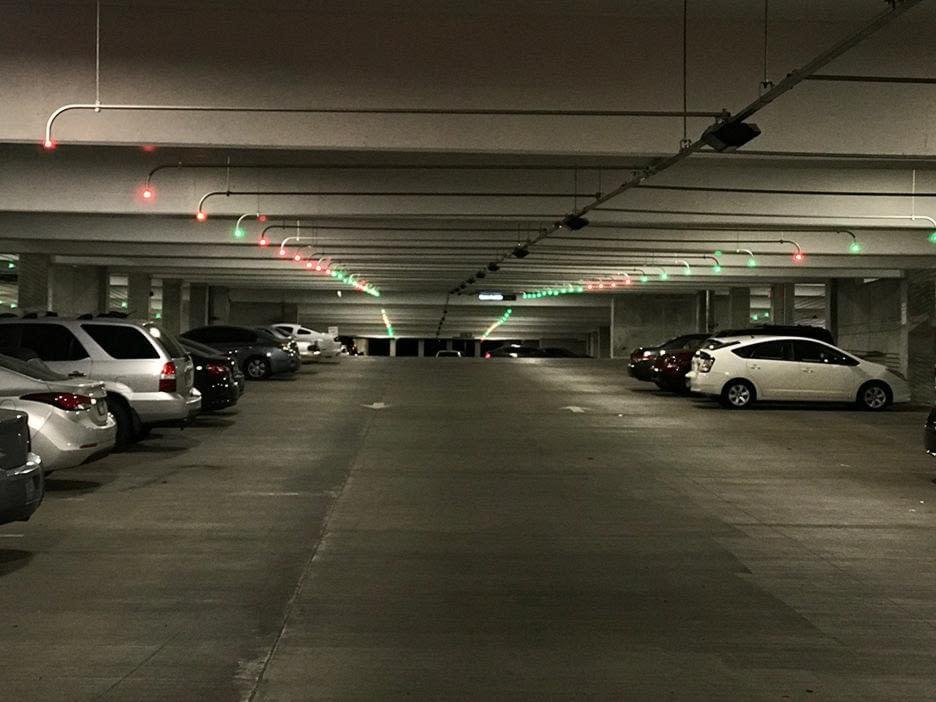
LED indicators above parking spots (green for open, red for occupied, and custom colors for user restrictions) provide immediate visual cues to drivers. Beyond visual indicators, these systems capture license plate recognition (LPR) data, enabling for “find my car” features and enhanced security enforcement.
2. Frictionless Access and Payment
The industry is moving away from paper tickets entirely. LPR technology and Bluetooth access allow registered vehicles to enter and exit without rolling down the window. Payments are handled via apps or automatic billing, removing bottlenecks at the exit gate. It has the ability to check availability remotely, even before leaving for a destination.
3. Dynamic Pricing and Yield Management
Just as airlines adjust ticket prices based on demand, smart parking solutions allow operators to implement dynamic pricing. Using real-time occupancy data, rates can be adjusted to encourage parking during off-peak hours or maximize revenue during high-demand events. Permits can be oversold thanks to a clearer understanding of actual usage, maximizing revenue.
Benefits for Operators and Drivers
The transition to smart technology isn’t just about looking futuristic; it delivers tangible ROI and improved satisfaction.
Enhanced User Experience
For drivers, the benefits are clear: less stress, less time wasted, and a greater sense of safety. When a guidance system reduces parking time by 40%, it represents a significant improvement in the customer journey.
Operational Efficiency and Data
For operators, the “static” garage was a black box. The “smart” garage is an open book. Dashboard analytics provide insights into peak times, dwell times, and visit frequency. This data is crucial for maintenance planning, staffing, and future expansion.
Sustainability
Smart parking is green parking. By reducing the time drivers spend cruising for a spot, facilities can significantly lower carbon emissions. This creates a cleaner environment inside the garage and supports broader city sustainability goals.
The Future of Parking
The evolution won’t stop here. The next phase involves the integration of parking garages into the broader smart city ecosystem. Deeper integration with autonomous vehicles will enable cars to drop off passengers and park themselves. Garages will also become charging hubs for electric vehicles, with smart systems managing energy loads efficiently.
From static concrete boxes to intelligent mobility hubs, the parking garage has come a long way. By embracing smart parking solutions, operators can future-proof their assets and deliver the seamless experience modern drivers demand. Contact us today to learn more about how our smart parking solutions can transform your parking garage into a state-of-the-art mobility hub.